Published authority.
Case law and statute for the jurisdictions your practice works in, searched directly rather than recalled from a model's memory.
The reason legal research by general assistant is dangerous is not that the writing is bad. It is that a citation which does not exist looks exactly like one that does. Mayeshal searches authority and verifies every citation before it can appear in a draft, and it grounds the argument in the record you actually hold.
This is the single most publicised failure mode in professional AI, and it keeps happening for a structural reason: a language model produces a plausible citation with exactly the same confidence as a correct one. There is no tell. The only defence is verification, and verification has to be a separate mechanical step rather than a stronger instruction.
The second problem is quieter. Research that is not grounded in the file produces an argument about a case rather than about this case, and somebody then has to reconcile the two by hand. Authority is only useful when it meets the facts you can actually evidence.
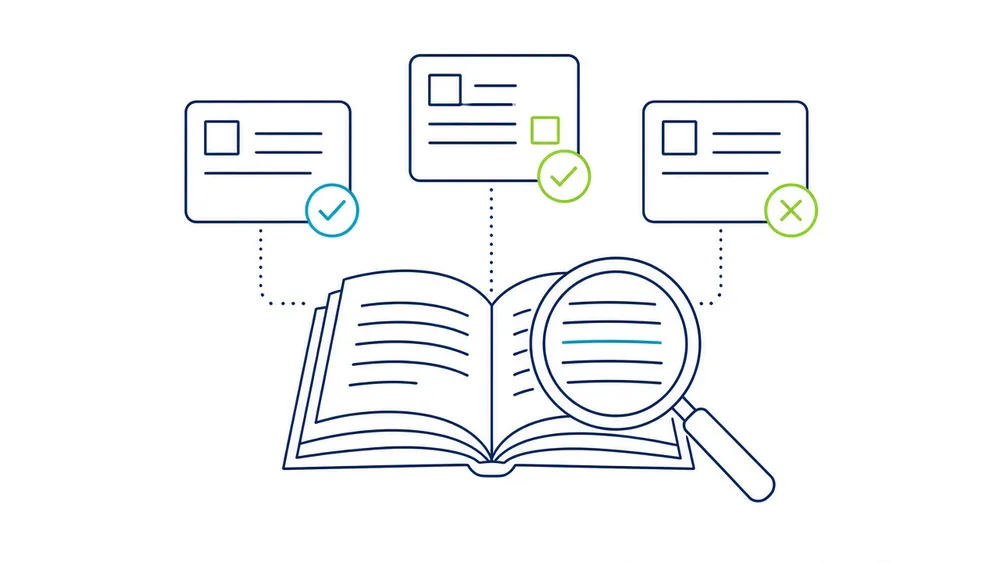
So the design is two things bolted together: search over authority, and a check that runs against every authority the search returns before a human ever reads it in a draft.
Verification is a mechanical step in the middle rather than a promise in the prompt.
Delivered in your implementation
Case law and statutory search over the jurisdictions your practice actually works in, rather than a general web search dressed up as research.
Each authority returned is checked before it can be used. An authority that cannot be verified is not passed through with a caveat, it is dropped and the gap is named. Verified means checked, and every check records who verified, when, and with what qualification.
The argument is assembled against the facts in your own corpus, with the document and page behind every factual assertion, so authority and evidence arrive attached to each other rather than in two separate documents.
The output is research, not an opinion. It goes to the person who signs, and the platform says so on screen rather than in a footnote nobody reads.
Authority on one side, your own record on the other, and a verification step between them and the draft.
Case law and statute for the jurisdictions your practice works in, searched directly rather than recalled from a model's memory.
The facts the argument has to rest on, already indexed page by page, so a proposition and its evidence can be checked in the same place.
Where a firm keeps its own verified authorities for a practice area, that library is a first class source with its provenance recorded, and the screen says what it is.
Research feeds a draft through the same deterministic assembler and the same approval that guards everything else. It never writes straight into an outbound document.
Verification before a citation reaches a draft is not a legal idea. It is a professional services idea that law made unavoidable.
Records, deadlines, negotiations and the document file never sit in one place, and the client is asking one question about all of it.
Legal pack, live in productionClient records, a books and records obligation, and an examiner who wants to see what you knew and when.
Pack built and signedClient documents arriving as PDFs and email, and a person moving them into a spreadsheet by hand.
First customer buildVerification is a citation check, not a legal opinion. It tells you an authority exists and says what it is quoted as saying. It does not tell you that the authority helps you, and a lawyer still reads it before it goes anywhere.
Research runs over authority and over what your organisation holds. It does not roam the open web, which is deliberate: an argument built from an unattributed article is not an argument you can stand behind in front of a tribunal.
It arrives inside your implementation rather than on the day you sign, and it lands within the ninety day window. Where a firm already keeps a small curated authority library, that library is live today and the screen is explicit that it is a starting point for one practice rather than a research database.
Thirty minutes, on a screen share, on a matter you pick. We connect nothing, install nothing and ask for no credentials to have that conversation. If it is not obviously useful in the first ten minutes, we will tell you so and you get your afternoon back.